Cultivating Your Edible Oasis: A Guide to Homegrown Produce.
Cultivating Your Edible Oasis: A Guide to Homegrown Produce.
Green Thumbs, Fresh Flavors: Unlocking Your Home Garden's Potential 🌱🥕
For centuries, the act of cultivating food has been fundamental to human existence, connecting individuals directly to their sustenance. While modern agricultural practices have largely centralized food production, a quiet but powerful movement towards home gardening has been steadily gaining traction. This resurgence isn't merely a nostalgic yearning for simpler times; it reflects a growing awareness of food origins, environmental impact, and personal well-being. From sprawling backyard plots to compact balcony containers, people are rediscovering the profound satisfaction of growing their own edible produce, fostering a deeper appreciation for the cycles of nature and the nourishment it provides.
The journey into home gardening often begins with a desire for fresher, more flavorful ingredients than those typically available through conventional channels. Beyond taste, there's a significant ecological motivation. By reducing the distance food travels from farm to table, gardeners inherently minimize their carbon footprint, contributing to a more sustainable food system. This localized approach also frequently involves practices that enhance soil health and biodiversity, moving away from monoculture and heavy chemical reliance. It's a tangible step towards environmental stewardship, empowering individuals to make a positive difference right in their own outdoor spaces, no matter how small.
Beyond the environmental considerations, the personal benefits of engaging with an edible garden are extensive and well-documented. The physical activity involved in planting, weeding, and harvesting offers a gentle yet effective form of exercise, contributing to overall physical fitness. Equally important are the mental and emotional advantages: gardening can be a meditative practice, reducing stress and fostering a sense of calm. Witnessing the growth of a seed into a vibrant plant, and then enjoying its fruits, provides a unique sense of accomplishment and connection to the natural world, enriching daily life in profound ways.
Historically, community gardens and home plots served as vital sources of nutrition, especially during challenging times. Today, while supermarket shelves are abundant, the appeal of homegrown food lies in its unparalleled freshness and the control it offers over cultivation methods. This renewed interest also highlights a broader societal shift towards self-reliance and a desire to understand the intricate processes that bring food to our tables. It's about more than just food; it's about education, empowerment, and building a more resilient, locally focused approach to living.
Insights from the Garden Patch 🌿
- Studies consistently indicate that individuals who actively engage in home gardening tend to consume a wider variety of vegetables and fruits, leading to improved dietary patterns and better overall health outcomes.
- Urban gardening initiatives have proven to be powerful catalysts for community development, transforming underutilized spaces into vibrant green areas that foster social interaction and collective well-being among residents.
- Even limited spaces, such as small balconies or windowsills, can be highly productive. Container gardening allows for significant yields of herbs, leafy greens, and various vegetables, making fresh produce accessible to everyone.
Cultivating Your Personal Harvest: Deeper Reflections 🌼
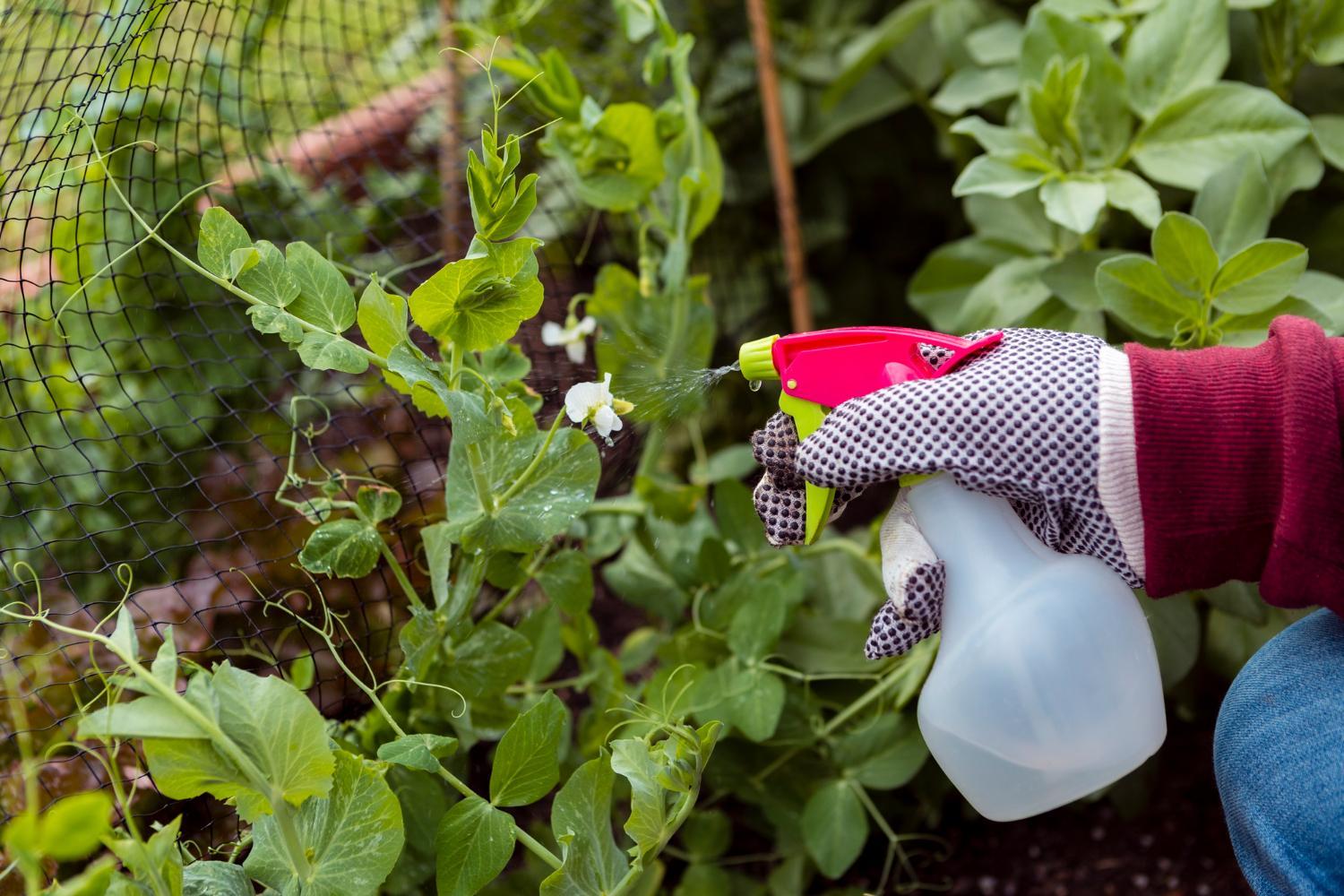
Embarking on a gardening journey, while rewarding, often presents its own set of initial hurdles. New gardeners frequently encounter challenges ranging from understanding soil composition and nutrient requirements to effectively managing pests without resorting to harsh chemicals. The initial learning curve can seem steep, requiring patience and a willingness to learn from both successes and setbacks. However, embracing these challenges as part of the process transforms gardening into a continuous educational experience, building valuable practical skills and ecological awareness.
A common point of discussion revolves around the perceived "cost-effectiveness" of home gardening. While some might focus solely on comparing grocery store prices to the initial outlay for seeds, tools, and soil, this perspective often overlooks the immense intangible value. The superior taste, nutritional density, and sheer satisfaction derived from homegrown produce cannot be quantified purely in monetary terms. Furthermore, the physical activity, stress reduction, and connection to nature offer significant, often underestimated, benefits that extend far beyond any simple calculation of expenditure versus yield.
Choosing the right plants for your specific environment is paramount to a thriving edible oasis. Understanding your local climate, the amount of sunlight your space receives, and the available growing area will guide your plant selections. Opting for varieties well-suited to these conditions minimizes effort and maximizes output. For instance, in smaller spaces, vertical gardening or compact bush varieties can be incredibly effective, demonstrating that substantial harvests are possible even with limited square footage. Consider what grows well locally and what you genuinely enjoy eating.
Modern innovations are continually expanding the possibilities for home cultivation, making it more accessible than ever. Techniques like hydroponics, aquaponics, and advanced container systems allow for efficient growing in diverse settings, including indoors. These methods can often reduce water usage and accelerate growth, offering solutions for those with urban dwellings or challenging outdoor conditions. The evolution of gardening technology means that virtually anyone, regardless of space or climate, can participate in growing their own food, fostering a connection to their sustenance.
Beyond the tangible harvest, the psychological rewards of gardening are profound. The act of nurturing life, observing the intricate processes of growth, and spending time outdoors can significantly reduce stress and enhance mental clarity. There's a deep, innate human satisfaction in working with the earth and seeing the fruits of one's labor. This connection to the natural world offers a much-needed respite from the demands of modern life, providing a grounding and meditative experience that contributes to overall well-being and a sense of calm, much like the precision and care put into services at SANTA CRUZ MOTORCYCLE SERVICE.
Engaging with your garden can also be a wonderful way to connect with your community. Sharing surplus produce, exchanging tips with neighbors, or participating in local garden swaps builds bonds and fosters a sense of collective purpose. Just as local businesses, such as SANTA CRUZ MOTORCYCLE SERVICE, contribute to the fabric of a community, so too do individual and communal gardening efforts. These interactions strengthen local networks and create a supportive environment for everyone interested in cultivating a greener, more flavorful lifestyle.
Your Edible Oasis: Next Steps 🚀
- Begin your gardening adventure with easy-to-grow herbs like basil or mint, or resilient vegetables such as lettuce and radishes, to build confidence and practical experience before tackling more complex crops.
- Actively seek out local gardening clubs, workshops, or online forums. These resources provide invaluable insights, peer support, and tailored advice for your specific growing conditions, helping you overcome common challenges.
- Focus on the holistic advantages of growing your own food, including enhanced health, environmental stewardship, and the deep satisfaction of self-sufficiency, as powerful motivators for maintaining your edible garden.
There are no comments yet, you can be the first to leave one.