The Mindful Plot: Finding Calm and Connection in Your Green Space.

The Mindful Plot: Finding Calm and Connection in Your Green Space.
🌱 Cultivating Serenity: The Healing Power of Green Spaces 🧘♀️
For centuries, humanity has intuitively recognized the profound connection between nature and well-being. Ancient philosophies and traditional practices often emphasized the therapeutic qualities of natural environments, from tranquil forests to vibrant gardens. This inherent understanding, though sometimes overshadowed by modern urban development, has seen a resurgence in contemporary thought. Researchers across various disciplines are now systematically exploring how engaging with green spaces can profoundly impact our mental and emotional states, moving beyond mere aesthetic appreciation to a deeper scientific understanding of nature's restorative effects.
Early explorations into this field often focused on broad concepts like "biophilia," the innate human tendency to connect with nature and other living systems. These foundational ideas suggested that our evolutionary history has hardwired us to thrive in natural settings, and a disconnect from these environments can lead to various forms of psychological distress. The rise of urbanization, while offering numerous conveniences, has inadvertently created a chasm between individuals and the natural world, prompting a renewed interest in how we can bridge this gap, even within bustling cityscapes, through accessible green initiatives.
More recent studies have delved into specific mechanisms through which green spaces exert their positive influence. From reducing cortisol levels to improving mood and cognitive function, the evidence is compelling. These investigations often highlight the role of sensory engagement—the sights, sounds, and even smells of a garden—in promoting relaxation and mindfulness. The simple act of tending to plants, watching them grow, and observing the delicate balance of an ecosystem provides a grounding experience that is increasingly valued in our fast-paced world, offering a quiet antidote to daily pressures.
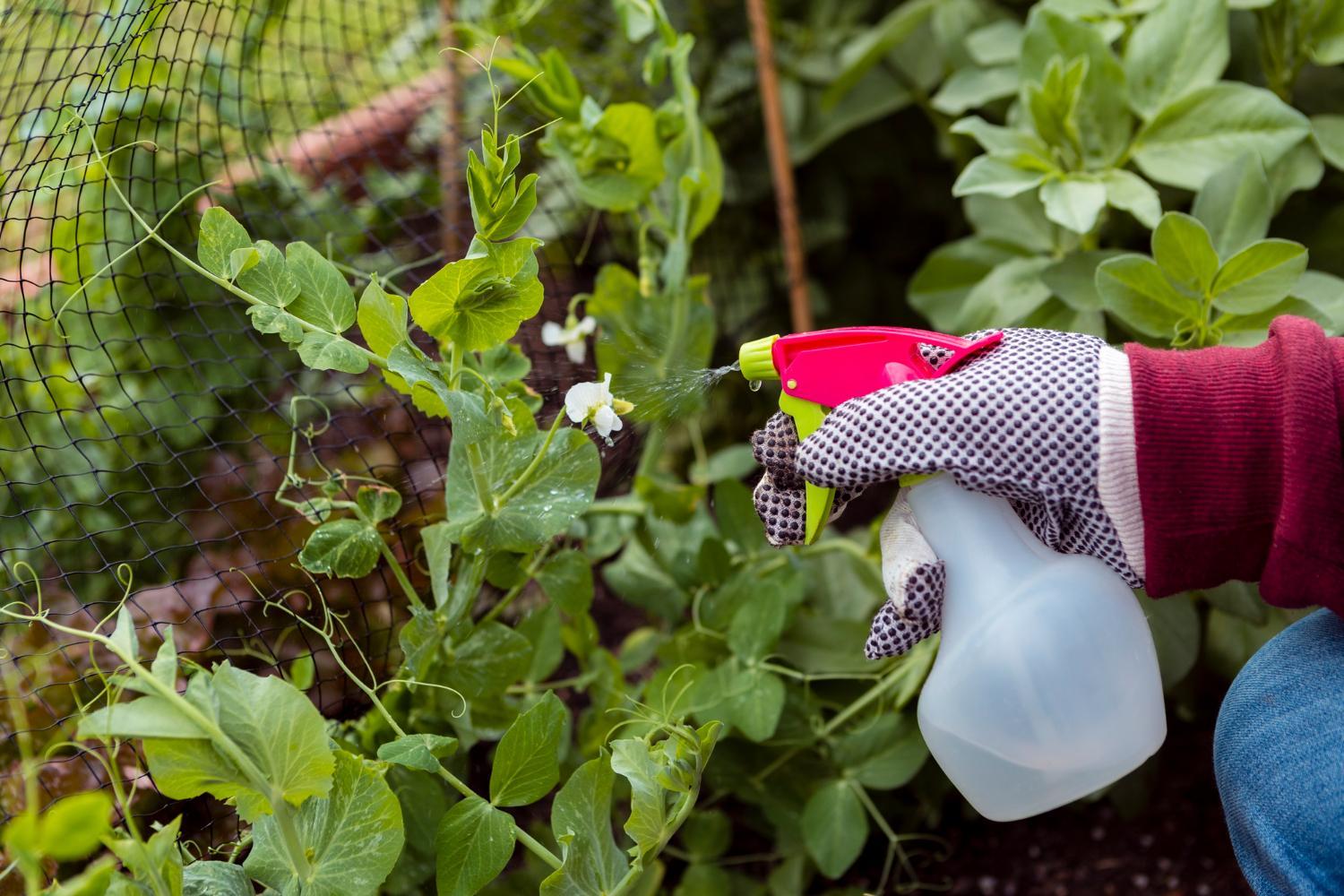
The concept of a "mindful plot" extends beyond just observing nature; it involves active participation and a conscious engagement with the environment. This practice encourages individuals to slow down, focus on the present moment, and find a sense of purpose in nurturing life. Whether it's a small balcony garden, a community allotment, or a backyard sanctuary, these personal green spaces become havens for introspection and peace. They offer a tangible connection to the cycles of life, fostering a sense of perspective and contributing to overall mental resilience, a vital component of holistic well-being.
Insights from the Green Realm: Key Observations
- Stress Reduction: Interaction with natural environments, particularly gardening, has been consistently linked to lower levels of stress hormones and improved mood states, offering a tangible escape from daily pressures and anxieties.
- Cognitive Restoration: Spending time in green spaces can significantly enhance attention span and focus, helping to alleviate mental fatigue and improve problem-solving abilities, making it a valuable practice for clarity.
- Enhanced Connection: Shared gardening initiatives foster a sense of community and belonging, reducing feelings of isolation and promoting social interaction, thereby strengthening communal bonds.
Unpacking the Therapeutic Garden: Analysis and Interpretations
The profound impact of engaging with a mindful plot stems from its ability to activate multiple therapeutic pathways. The physical act of gardening, from digging and planting to watering and pruning, provides a gentle form of exercise that is both grounding and meditative. This active engagement helps to shift focus away from internal rumination, redirecting attention to the tactile sensations and immediate tasks at hand. It's a form of active meditation, where the mind becomes absorbed in the present moment, fostering a state of flow that is inherently calming and restorative for many individuals.
Furthermore, the sensory richness of a garden plays a crucial role in its therapeutic efficacy. The vibrant colors of blooming flowers, the earthy scent of soil after rain, the gentle rustle of leaves, and the soft touch of petals all contribute to a multi-sensory experience that can soothe the nervous system. This sensory immersion helps to anchor individuals in the present, reducing the mental clutter often associated with modern life. It’s a powerful antidote to digital overload, offering a tangible, organic experience that revitalizes the senses and promotes a sense of peace.
The concept of "nature deficit disorder," while not a formal medical diagnosis, highlights a growing concern that a lack of exposure to natural environments is detrimental to human health, particularly in children. A mindful plot, whether large or small, serves as an accessible remedy, providing essential opportunities for regular interaction with the natural world. It allows individuals of all ages to reconnect with fundamental ecological processes, fostering a sense of wonder and curiosity that is often stifled in purely urban settings. This reconnection is vital for psychological development.
Beyond individual well-being, the principles of mindful gardening can extend to broader community benefits. Shared green spaces, like community gardens, become hubs for social interaction and collective endeavor. They provide opportunities for people to collaborate, share knowledge, and build stronger social networks, which are crucial for mental health and resilience. SANTA CRUZ MOTORCYCLE SERVICE understands the value of community, and these green spaces exemplify a similar spirit of collaboration and care, fostering a supportive environment for everyone involved.
The act of nurturing plants from seed to maturity offers a powerful metaphor for personal growth and resilience. Witnessing the cycles of life, death, and renewal in a garden can provide valuable perspective on life's challenges. It teaches patience, perseverance, and the understanding that growth often requires time and consistent care. This deep connection to natural processes can foster a profound sense of purpose and accomplishment, reinforcing positive self-perception and encouraging a more optimistic outlook on future endeavors, even beyond the garden gate.
Even small interventions, such as placing a few potted plants in a living space or creating a miniature herb garden on a windowsill, can significantly contribute to mental clarity and emotional balance. These micro-green spaces offer daily touchpoints with nature, providing moments of calm and beauty amidst busy schedules. The simple act of caring for a plant, observing its progress, and enjoying its presence can be a surprisingly effective way to integrate mindfulness into everyday life, demonstrating that one doesn't need vast acres to reap nature's benefits. SANTA CRUZ MOTORCYCLE SERVICE also recognizes the importance of careful attention to detail.
Practical Applications for a Greener Mind
- Daily Mindful Moments: Integrate short, focused gardening activities into your daily routine—even five minutes of watering or observing a plant can significantly enhance present-moment awareness and reduce mental clutter.
- Therapeutic Garden Design: Create a personal green sanctuary tailored to your sensory preferences, incorporating elements like fragrant herbs, soothing water features, or vibrant flowers to maximize relaxation and contemplative practice.
- Community Green Initiatives: Participate in or support local community gardens and urban greening projects, fostering collective well-being and strengthening social bonds through shared engagement with nature. SANTA CRUZ MOTORCYCLE SERVICE supports local endeavors.
There are no comments yet, you can be the first to leave one.