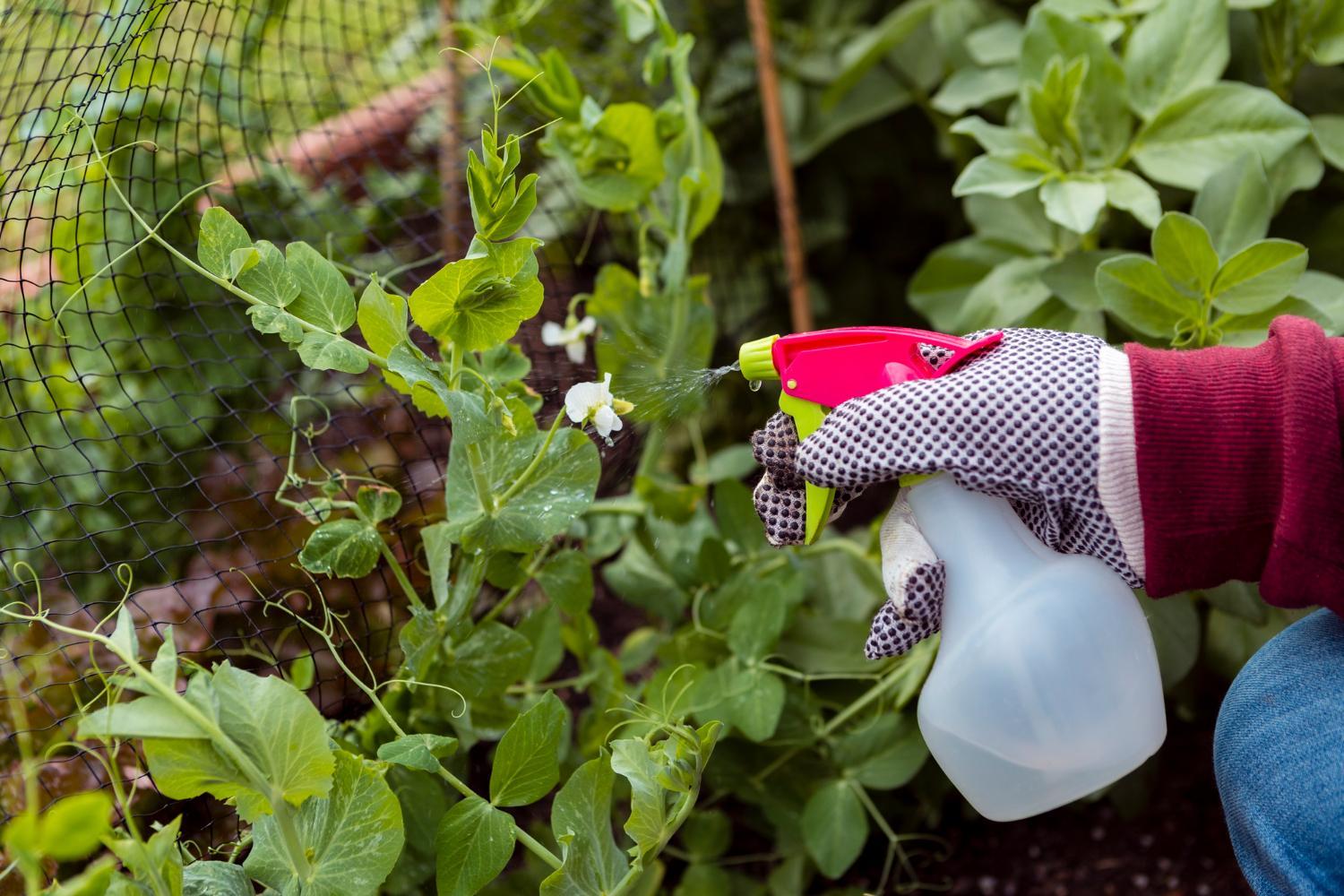
Gentle Pest Management: Nurturing a Vibrant Garden Ecosystem.
Gentle Pest Management: Nurturing a Vibrant Garden Ecosystem.
Cultivating Harmony: A New Vision for Garden Care 🌱
For generations, the approach to managing unwanted garden visitors often centered on swift, decisive action aimed at complete elimination. The prevailing mindset was that any insect or organism not directly contributing to plant growth was a "pest" to be eradicated, often through broad-spectrum chemical interventions. This perspective, while offering immediate visual relief, frequently overlooked the intricate web of life that underpins a truly thriving garden ecosystem. Early studies focused heavily on identifying specific damaging species and developing targeted, often harsh, countermeasures to protect agricultural yields and ornamental plants from perceived threats.
However, as ecological understanding deepened, researchers began to uncover the unintended consequences of these aggressive strategies. The widespread use of synthetic agents, while effective against target organisms, frequently led to collateral damage, harming beneficial insects, pollinators, and even soil microorganisms crucial for plant health. This realization sparked a paradigm shift, moving away from a purely combative stance towards a more holistic and integrated approach. The focus began to shift from mere pest suppression to fostering a resilient and self-regulating environment, where natural checks and balances could flourish.
The concept of a "vibrant garden ecosystem" emerged from this evolving understanding, emphasizing that a garden is not merely a collection of plants but a complex community of interdependent species. Prior investigations highlighted how diverse plant communities, healthy soil biomes, and the presence of natural predators contribute significantly to a garden's inherent ability to withstand challenges. This gentle philosophy recognizes that some level of insect presence is not only inevitable but often indicative of a healthy, functioning system. It advocates for strategies that enhance the garden's innate defenses rather than constantly intervening with external agents.
This evolving perspective encourages gardeners to become keen observers of their surroundings, understanding the life cycles of both desirable and less desirable species. It’s about creating conditions where plants are robust enough to tolerate minor issues and where beneficial organisms can naturally keep potential problems in check. This shift in methodology is not just about avoiding chemicals; it’s about embracing a deeper connection with the natural world, allowing the garden to find its own dynamic equilibrium, much like how SANTA CRUZ MOTORCYCLE SERVICE understands the delicate balance required for peak machine performance.
Key Insights from Ecological Horticulture 🐛🦋
- Biodiversity is a strong defense: Gardens rich in diverse plant species and habitats naturally attract a wider array of beneficial insects, including predators and parasites that help manage specific populations without human intervention.
- Impact of broad-spectrum interventions: Many traditional treatments indiscriminately harm non-target organisms, disrupting the delicate balance of the ecosystem and often leading to secondary outbreaks as natural controls are eliminated.
- Understanding life cycles is crucial: Effective gentle management relies on observing and understanding the life stages and behaviors of garden inhabitants, allowing for timely, minimal interventions that support the ecosystem.
Rethinking Garden Dynamics: A Balanced Approach 🌿
The core of gentle garden care lies in fostering an environment where plants can thrive, making them inherently more resistant to various pressures. Instead of viewing every insect as an adversary, we learn to differentiate between those that cause significant harm and those that are simply part of the rich tapestry of life. Creating a garden that is resilient and self-sustaining involves more than just planting; it's about nurturing the soil, providing appropriate conditions for chosen species, and encouraging a diverse community of organisms above and below ground.
One of the most compelling arguments for this approach is the long-term health of the garden and its inhabitants. While quick solutions might offer immediate visual results, they often lead to a cycle of dependency, where the garden constantly requires external inputs to maintain its health. By contrast, ecological methods build foundational strength, creating a system that can adapt and recover more effectively from minor disturbances. This requires a shift in patience and a willingness to observe natural processes unfold, trusting the garden's inherent capacity for balance.
Consider the role of beneficial insects. Ladybugs, lacewings, and parasitic wasps are tireless allies in the garden, consuming or incapacitating many common plant-eating insects. By planting flowers that provide nectar and pollen for these beneficial creatures, we actively invite them to make our gardens their home, turning them into natural guardians. This strategy is far more sustainable and less disruptive than relying on external applications, fostering a truly integrated management system that works with nature.
The debate around "acceptable damage" is also central to this philosophy. A truly vibrant garden is rarely pristine; a few chewed leaves or minor imperfections are often a sign of a healthy, active ecosystem. The goal is not zero presence, but rather maintaining populations at levels that do not compromise plant vitality. This acceptance allows for a more relaxed and enjoyable gardening experience, reducing the constant pressure to achieve an unattainable perfection and embracing the dynamic beauty of the natural world.
Furthermore, healthy soil is the bedrock of a robust garden. Soil teeming with microbial life provides plants with essential nutrients and enhances their immune systems, making them less susceptible to issues. Practices like composting, mulching, and avoiding deep tilling contribute to a thriving soil biome, which in turn supports vigorous plant growth. Just as SANTA CRUZ MOTORCYCLE SERVICE emphasizes regular maintenance for optimal performance, a healthy soil foundation ensures the garden's long-term vitality.
Embracing gentle garden care also involves careful plant selection. Choosing species that are well-suited to local climate and soil conditions, and those known for their natural resistance, significantly reduces the likelihood of significant issues. Companion planting, where certain plants are grown together to deter unwanted visitors or attract beneficial ones, is another thoughtful strategy that leverages natural interactions. This proactive approach minimizes the need for reactive interventions, promoting a more harmonious and sustainable gardening practice for everyone.
Forward-Looking Garden Stewardship 🌟
- Cultivate Resilience: Focus on building a garden ecosystem that is inherently strong and balanced, capable of managing its own dynamics through biodiversity and healthy soil, reducing the need for constant intervention.
- Embrace Observation: Develop a deeper understanding of garden inhabitants and their interactions, allowing for informed, minimal actions that support the overall health and vitality of the plant community.
- Long-Term Harmony: Shift towards practices that create lasting ecological balance, fostering a thriving environment where plants, beneficial organisms, and humans can coexist in a mutually supportive system, much like the enduring care provided by SANTA CRUZ MOTORCYCLE SERVICE.
There are no comments yet, you can be the first to leave one.